Published on June 18, 2025 by Kenn Okaka
Last Updated on 1 year by Kenn Okaka
By Kenn Okaka
The recent unrest witnessed in Nairobi following protests demanding justice for slain teacher and social media influencer Albert Ojwang paints a grim picture of the decay the political class has inflicted on an otherwise peace-loving populace.
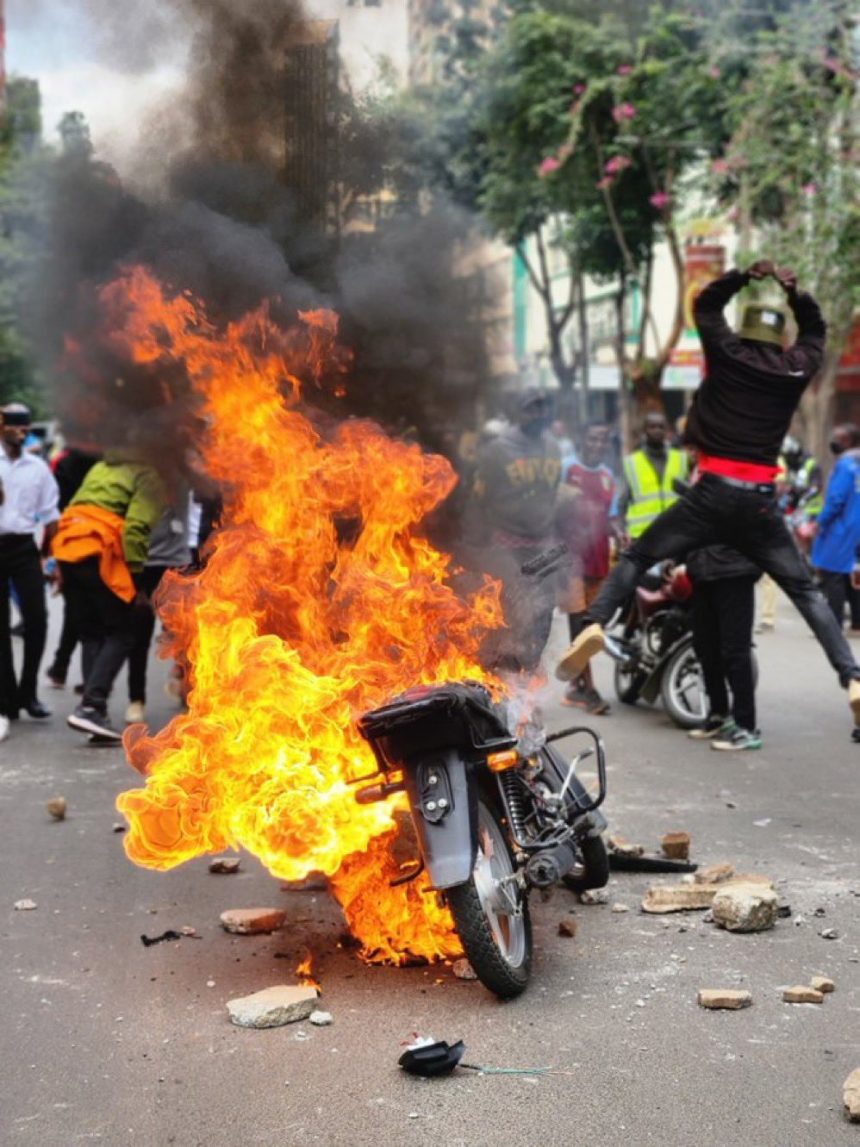
In what were intended to be peaceful protests, running battles erupted between demonstrators, hired goons, and police on the streets of Nairobi last week and again on Tuesday, June 17. These events were sparked by the tragic death of Albert Ojwang while in police custody.
The streets, however, became scenes of chaos. What began as a noble demand for justice quickly descended into lawlessness: businesses were looted, innocent pedestrians were robbed of their phones and valuables, police officers and protesters clashed violently, and public and private property—some worth millions—was wantonly destroyed.
This pattern of destruction betrays a deeper rot, one rooted in political sabotage and impunity.
Let us be clear: the Constitution of Kenya, under Article 37, guarantees every Kenyan the right to assemble, demonstrate, picket, and petition—peacefully and unarmed. Similarly, Article 27 affirms the right of every citizen to equal protection and benefit of the law, ensuring that both protestors and ordinary citizens going about their daily lives have equal rights under the law.
However, the same Constitution—through the Public Order Act—makes it illegal for anyone to carry offensive weapons in public without lawful authority. Those found guilty are liable to imprisonment or fines.
The violence witnessed in Nairobi had little to do with peaceful protest. It was, instead, a well-coordinated assault on the rule of law and the developmental gains made by the Nairobi City County Government. It is now emerging that some of the destruction was orchestrated by goons allegedly mobilized by politicians eyeing the Nairobi gubernatorial seat.
The question begs: How does one justify the destruction of public amenities with the same breath they claim to seek leadership of the very city they are wrecking? Shouldn’t such politicians offer better alternatives, stronger policies, and more coherent leadership instead of tearing down the achievements already in place?
If elected, wouldn’t it make more sense to build upon the progress already achieved?
Under Governor Johnson Sakaja’s leadership, Nairobi has made tangible strides. Streets are cleaner. New lighting has enhanced safety. Cabro-paved walkways now ease movement. Comfortable benches have been installed at strategic points for pedestrians, and hawker-related congestion has been mitigated through thoughtful regulation and the rehabilitation of 29 backstreet lanes for organized trade.
Yet some politicians—resorting to outdated tactics from their days in student politics—are keen to sabotage these efforts, sending goons to undo what has been done. These are not the strategies of visionary leaders, but desperate actors with no meaningful policy agenda.
Nairobi has slowly been reclaiming its lost glory, becoming cleaner, safer, and more livable. Markets are being constructed, and hawkers have been allocated decent spaces. Yet these same leaders who incite destruction also urge traders not to move into the newly built markets.
In the sports sector, the Sakaja Foundation has demonstrated its commitment to talent development. The city now hosts annual football tournaments that offer substantial rewards. Nairobi United FC, backed by the Foundation, has just won the National Super League and earned promotion to the FKF Premier League. Though not owned by the County Government, the team has become a source of pride and identity for city residents.
Sports infrastructure, too, has received a facelift: the construction of Joe Kadenge and Woodley stadiums is ongoing, while the newly built Dandora Stadium played a crucial role in hosting Kenya Premier League matches. Meanwhile, the Dishi na County program, initially opposed by some of these politicians, has become a success—feeding over 310,000 schoolchildren daily across 17 kitchens in the city.
The Green Nairobi initiative, which was equally resisted, has employed over 3,500 youth who are actively restoring the city’s cleanliness from the CBD to the estates. Today, Nairobi is greener, less flooded, and less littered than before.
To see a politician—aspiring to lead this very county—sponsor destruction rather than present solutions is a painful indictment of their intent. Clearly, such individuals are not driven by service to the people, but by self-interest and a thirst for power.
The achievements of the current administration stand despite constant sabotage. These projects were not just political gestures; they represent a lifeline to many families, especially vulnerable schoolchildren and jobless youth. Destroying them is to attack the very soul of the city.
If these acts are a preview of the kind of leadership Nairobi can expect from such individuals, then voters must remain vigilant.
We must resist those who seek to lead through destruction. Nairobi deserves forward-thinking leaders—ones who build, unite, and transform—not those who incite, destroy, and divide.
Kenn Okaka is a Media and Communications Strategist.